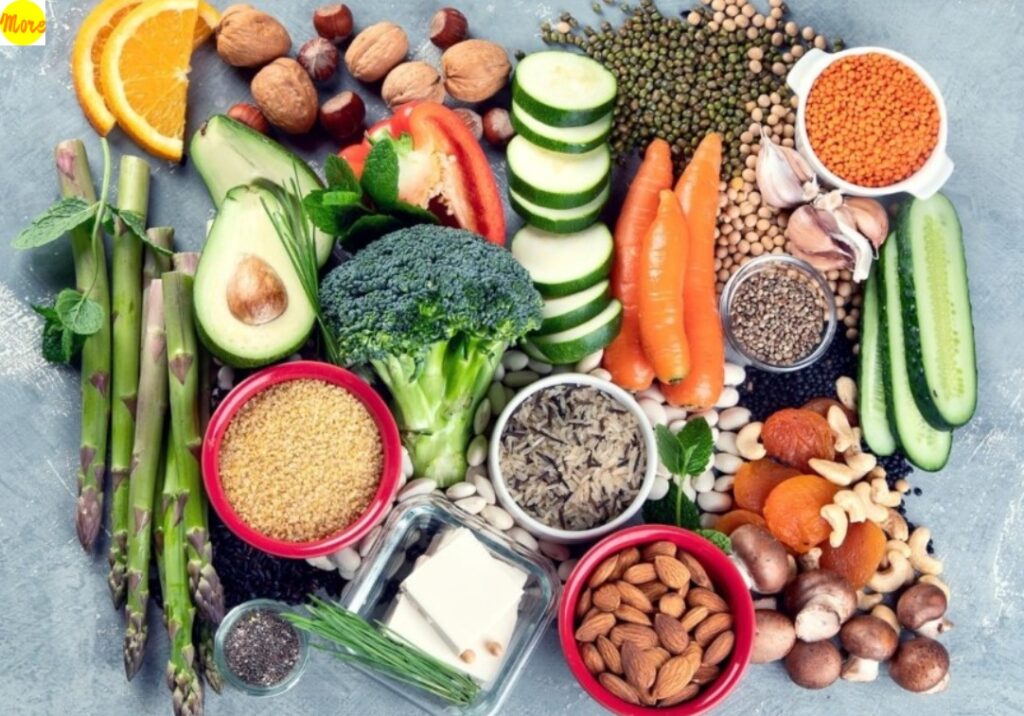
Common misconceptions about a vegetarian or vegan diet is that it’s really hard to get enough protein and it’s actually not almost every food we eat has protein in it. Today we’re going to highlight a list of top 10 protein rich foods for vegans and vegetarians. Now there are some pros and cons to consider when it comes to plant based proteins it is easier to hit your protein needs when you eat meat and animal foods do tend to have more of the essential amino acid building blocks your body needs. Plant proteins however come with other health benefits they’re typically rich in antioxidants vitamins minerals and fiber.
There are quite a few protein rich plant foods first up is
Seitan – this is a protein that’s made from wheat gluten it’s texture resembles meat. It’s often used in mock meat products there are different brands and types of safe tan but you can expect about 25g of protein per three ounces Satan also it provides minerals like selenium iron calcium and phosphorus. You can purchase ATAN in the refrigerator section at the grocery store or you can make your own using vital wheat gluten
Soya – It wouldn’t be a complete list of top plant proteins if we didn’t talk about soy that means tofu tempeh edamame and more. Soy contains all the essential amino acids so it’s a great protein source. For vegetables and vegetarians depending on which soy food you choose you’ll get between 12 to 20 grams of protein 3 ½ ounces. If you think you don’t like tofu I think maybe you just haven’t prepped it the right way because it truly does take on different flavors really easily. There are different types you can buy which will have different textures so you can choose silk in or go for extra firm tempeh is a fermented soy and edamame are soybeans you can buy them shelled or in the shell. Use soy in a variety of different recipes.
Lentils – lentils have 18g of protein in One Cup. You can add lentils to salads soups curries pasta dishes the list goes on with those 18g of protein also get about 15g of fiber. Most Americans don’t get enough fiber which is great for gut health and heart health plus it keeps you full. There are different types of lentils you can mix up whichever ones you choose and these are a relatively affordable plant protein to include in your diet.
Hemp – Hemp seeds deliver some Omega threes fiber and plant based protein. There is about 3g of protein in each tablespoon. They don’t have a massive quantity of protein but you can easily sprinkle them on top of oatmeal yogurt cereal toast use them in smoothies salads or bake with them. They’re very versatile and easy to have on hand Nutritional yeast is a vegan favorite because it has sort of a nutty cheesy flavor. There is also 8g of protein in ¼ cup fortified nutritional yeast also delivers other vitamins and minerals like B vitamins including Vitamin B-12 which is hard to get on a vegan diet.
Quinoa – This is a great protein rich grain to choose there’s eight grams of protein in One Cup of cooked quinoa. Quinoa is technically a seed but it’s often lumped in with those whole grains because it’s got fiber and other similar nutrients to whole grains. Quinoa contains all nine essential amino acids just like soy I like using quinoa as a base for green bowls or in casseroles sprouted grain bread tends to be higher in protein than regular bread. So it’s a nice protein rich option it’s made from sprouted whole grains and legumes including wheat Millet barley and spelt as well as sometimes soybeans and lentils each brand will vary slightly but two slices of sprouted green bread delivers about 8g of protein. Sprouted green breads also tend to either have much less added sugar than regular bread or no added sugar and they deliver fiber so they’re a great base for sandwiches or toast.
Nuts – Our next protein source from roll nuts. Nuts has about 5 to seven grams of protein same goes with two tablespoons of nut butters nuts. Nut seeds are also great sources of fiber and healthy fats along with iron calcium magnesium selenium. Phosphorus, vitamin E and certain B vitamins they also contain antioxidants among other beneficial plant compounds. So nuts are great for you enjoy a handful of nuts on their own or add nut butters to smoothies sauces and oatmeal for a little protein boost.
Beans – Some people say that beans don’t have enough protein to count but I disagree. You’ll get protein from kidney black pinto and all the other types of varieties of beens. They’re also an extremely important staple food across cultures. They’re affordable and they’ve got some protein about 15g of protein per cup of cooked beans. Beans also deliver fiber iron folate and other minerals. Research shows that a diet high in beans and legumes can be beneficial for our heart health blood sugar levels and may even help reduce belly fat. Beans are great in soup dips salads.
Chia Seed – These seeds with 5g of protein and 10g of fiber per 50 gram chia seeds. Seeds contain high levels of iron calcium selenium and magnesium as well as Omega 3 fatty acids antioxidants and other beneficial plant compounds. Chia seed pudding is a super popular recipe for a reason. Chia seeds can also be added to yogurt smoothies or granola for nutrition upgrade.
Top plant-based Protein Source available in India –
Lentils – Lentils are easily available in every household in India These are very staple food which usually Indians preferred in day to life. Roughly 100 grams of any lentils will contain around 9g of protein in it.
Chickpeas– Chickpeas are packed with 19g of protein per 100g. Chitpis are versatile can be prepared as chole or these can be roasted as channa. These are rich in fiber too, and it can make your stomach full easy.
Kidney beans – Commonly called as Rajma in India used in every household in Northern India. It contains 24 grams of protein per cup of serving kidney beans. Commonly Rajma is served with rice and it makes your complete meal.
Soya products – In India generally soybean is used in the form of soya chunks. Tofu or soya chunks delivers around 10 to 15 grams of protein per serving. Soya chunks can be consumed as soya Curry, parathas or used in soya chops etc.. These are the perfect protein Source for vegetarian people.
Peanuts – Peanuts contains 25 grams of protein per 100 grams. Peanut can be consumed as protein bars, roasted peanuts, Peanut chutney etc..
Pumpkin seeds – 30g pumpkin seed contents around 9g of protein in it. Pumpkin can be consumed by sprinkle on the salads smoothies or making the pumpkin protein bars etc.
Greenpeace – Greenpeace delivers 5g of protein per 100g and Can be added in pulao curries or soup. They are also rich in fiber and vitamin as well.
Sprouted Moong – Sprouted mook contents around 7g of protein per cup and these easily digestible. These can be consumed as Chaat, salad etc
This list is far from exhaustive there are many great protein options for non meat eaters that big list difficult to include here. Vegetarians who also eat dairy and eggs can rely on foods like Greek yogurt milk cheese and eggs to add even more protein to their diet. So whether you’re enjoying a homemade veggie burger topping your oatmeal with peanut butter and hemp seeds or digging into a quinoa lentil salad there are plenty of ways to get enough plant-based protein throughout the day. If you do eat a completely plant based or vegan diet you want to be mindful that you’re including a protein source at every meal and may need to get a little more creative than omnivores to hit your protein goal but it’s definitely possible and can also be super delicious.